NEW 2027

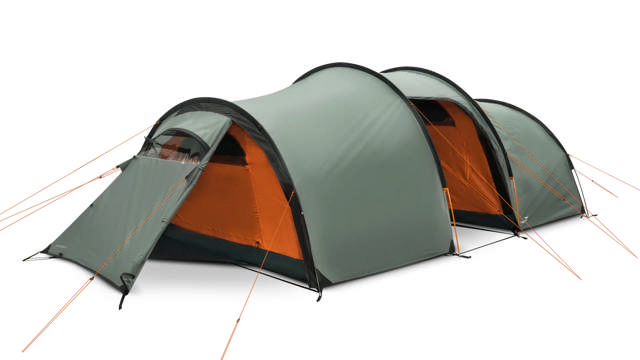
Hemsedal 2+2
279,95 €
Preorder this item

If you like the idea of quick pitching without juggling a bundle of poles, an inflatable tent can be a practical way to get going quickly and spend more time enjoying camp life. You still get the reassuring structure of a tunnel tent, but the “frame” is built from air tubes rather than traditional poles.


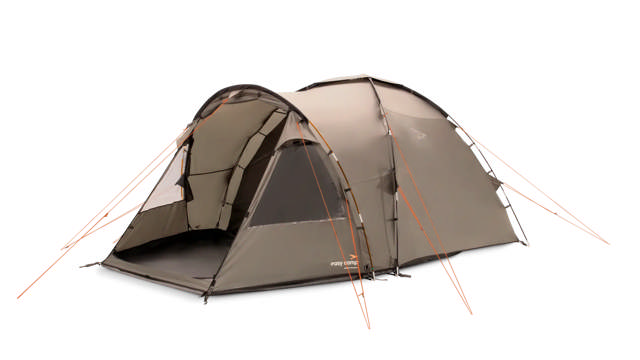

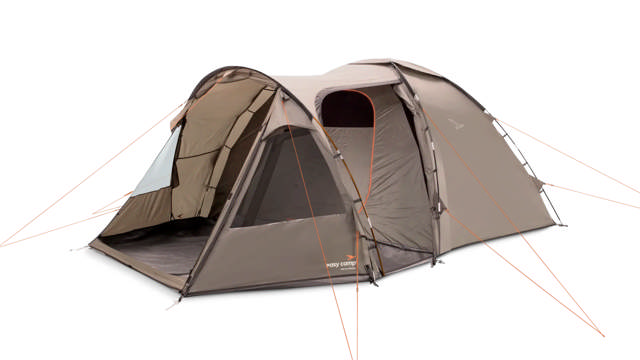

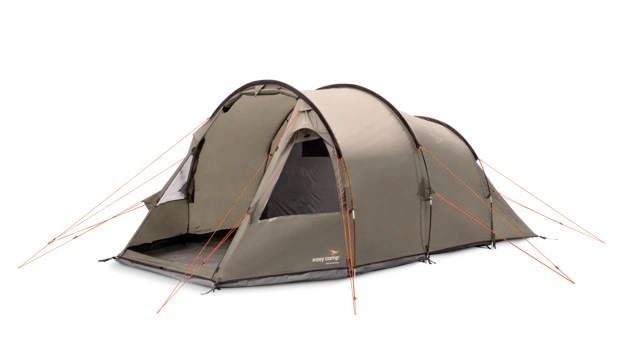

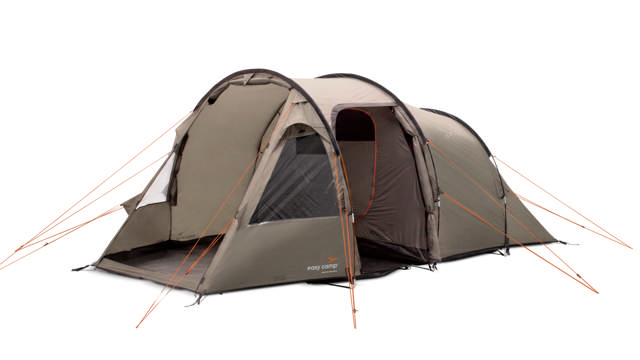

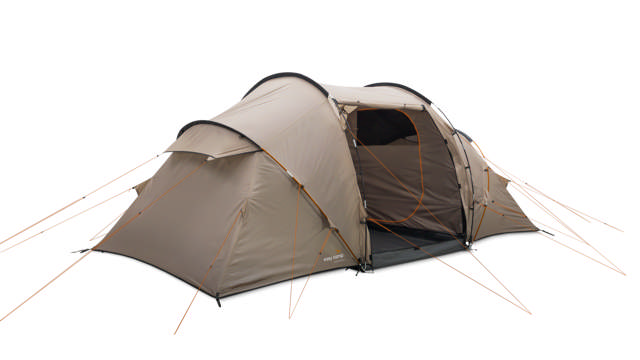

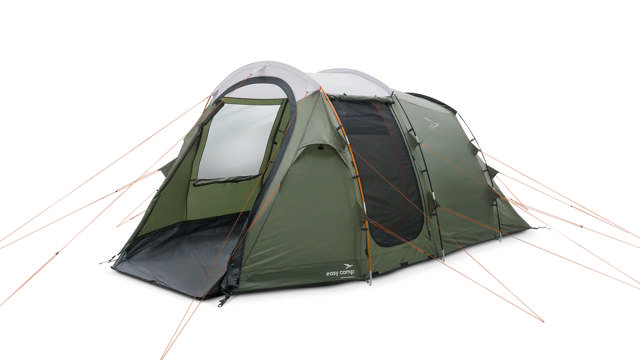

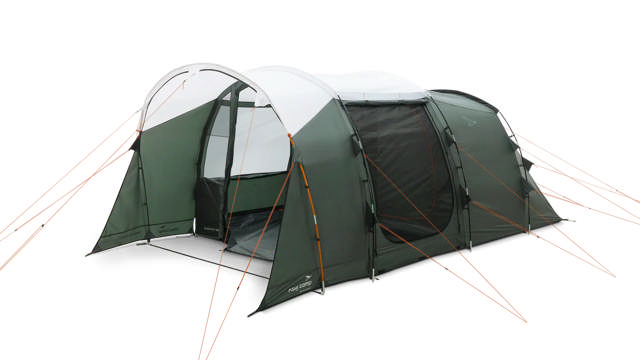

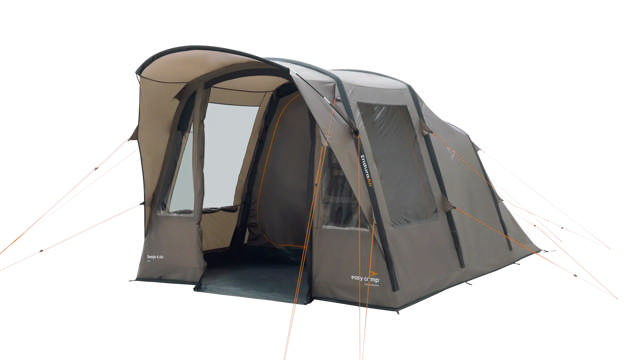

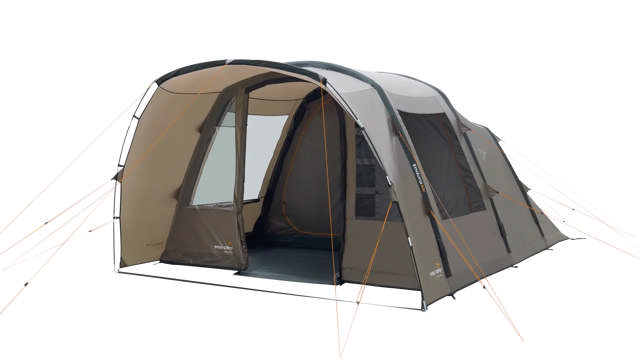

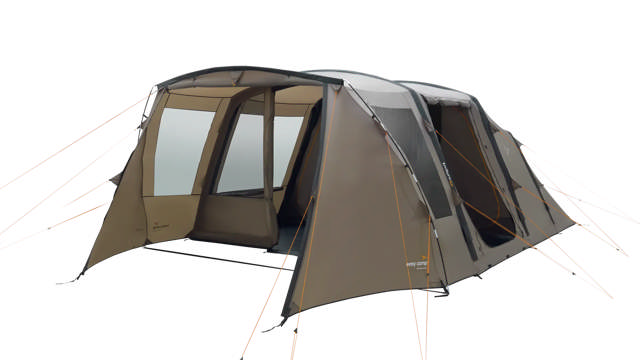
At easy camp, our air-frame designs focus on user-friendly features that suit family camping: generous living areas, bedrooms that feel calm at night, and details that help with changeable weather. It is simple gear for real adventures, and a solid choice if you want no hassle – just pack up and head out on adventures. Discover how air tents can make camping more fun.
An inflatable tent uses air tubes to create its structure, so pitching is less about assembling parts and more about inflating a connected frame. In practice, that means fewer loose components to keep track of, and a setup rhythm that many beginners find intuitive. You peg out the tent, inflate the tubes, then finish tensioning and organising your guy lines.
In the easy camp EC Air designs, the tubes are PVC-free EnduraAir and shaped to improve headroom, which is one reason the living area feels open when you step inside. If you prefer a traditional setup, easy camp also offers pole tents using steel poles for strength and fibreglass poles for flexibility, plus trekking tents when low pack weight matters most. To compare layouts and features side by side, explore the EC Air range.
Choosing the right size is mostly about your sleeping layout and how you spend time in camp. Do you want two bedrooms for adults and children, or three separate sleeping spaces so everyone has their own corner? In the EC Air collection, you can pick a family-focused inflatable camping tent that sleeps 4, 5, or 6, with practical comfort features built in.
Pack weight is worth considering because air-frame family tents are designed for space, comfort, and fast pitching rather than being carried long distances. In this category, EC Air models sit roughly between 14.1–20.3 kg, depending on size and bedroom layout. For most campsite holidays, that weight works well when your tent travels in the car with the rest of your kit, and you only carry it from vehicle to pitch.
How does that compare with other easy camp options? A typical trekking tent is much lighter because it is built for walking trips, often coming in at just a few kilograms. Many traditional family pole tents can also be lighter than an equivalent air-frame design, but you trade some pitching speed for the extra assembly steps. If you want simple, easy-to-use outdoor gear and you prioritise quick setup, the weight of an air tent can be a sensible compromise.
For family trips, weather protection is not just about heavy rain. It is also about draughts at ground level, condensation management, and the ability to keep the inside comfortable when conditions change. EC Air models use WeatherGuard 3000 flysheet fabric with a 3000 mm hydrostatic head and taped seams, and the water-repellent treatment is PFC-free. That gives you a reliable baseline for typical campsite conditions in the wild.
A sewn-in groundsheet is another key part of the system, helping to reduce drafts and keep out insects, which is useful when you camp with children. Ventilation is handled with adjustable options (including rear control on these models), and windows with curtains help you balance daylight and privacy. At easy camp, our designs are thoroughly tested with regard to wind and water resistance, so you can focus on the experience rather than worrying about the basics of shelter.
Comfort starts with how you use the floorplan. If your trip includes rainy afternoons or early bedtimes for children, look for a living area with standing height and storage details like organiser pockets and a mains access point for charging or lighting. Features like SleepTight inner tents can also make a noticeable difference when sunrise arrives early.
Next, think about sleep comfort as part of the layout, not an afterthought. Measure your available bedroom space and decide whether you want a higher, bed-like feel or a lower profile that leaves more room for bags. To make nights as easy as setup, you can pair your tent with airbeds that suit your preferred sleeping height and the way your group shares space.
Most care is simple and quick, but it pays off over time. After each trip, fully dry the flysheet and the inner tent before storage, even if you have to pitch it briefly at home. Dirt and salt can shorten fabric life, so brush off debris and wipe with lukewarm water if needed, then let everything dry naturally.
With a blow-up tent, also check that valves are clean and properly closed before packing, and avoid dragging the packed tent across rough ground. EC Air models include a repair kit, which is handy for small, unexpected issues. When pitching, take an extra minute to tension guy lines and peg points well; it helps stability and reduces strain on seams. If you camp often, a footprint can reduce wear under the sewn-in groundsheet area and help keep the base cleaner.
If you want straightforward pitching, family-friendly layouts, and reliable materials, EC Air is a strong place to start. Pick your capacity first (4, 5, or 6 sleepers), then decide how much living space you want for indoor time and gear storage. If you like the air-frame concept, you can also extend that quick-setup approach to your camp comfort with air furniture for a relaxed seating area that packs down neatly.
Browse the air-tent options in our shop, and if you would like help choosing the right size and layout, contact easy camp for guidance before you buy.
EasyCamp EU