NEW 2027
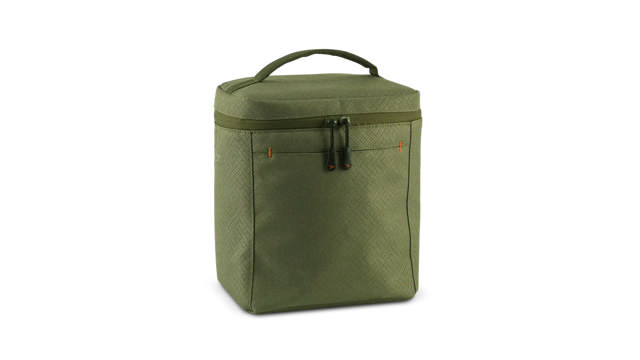
Arctic Daisy 5 L
17,95 €
Preorder this item

Lightweight and portable bags to keep things cool.

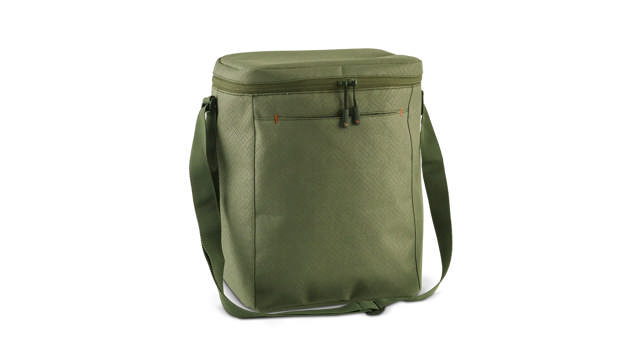
Start with what you actually plan to pack. If you mostly bring a packed lunch, a couple of drinks and a snack, you will appreciate a compact bag that sits neatly in your rucksack or on the back seat. If you are feeding children, sharing a picnic or carrying dairy, fruit and sandwich boxes, you will want more volume and a wider top opening so you can see what you have packed.
A good cool bag also helps you stay organised. A separate front pocket is handy for napkins, cutlery and small items you do not want mixed in with cold food. And if your plan includes short walks from the car to your pitch, a comfortable shoulder strap makes a real difference when your hands are already full.
Choosing a size is easier when you match litres to real-life meals. The Arctic Daisy range covers three common needs, from solo lunches to family days out, and each option stays lightweight for easy carrying.
For day trips, knowing the cooling performance matters. In the Arctic Daisy S, M and L, the insulation is tested to keep contents cool for up to 7 hours when used with an 800 ml ice block (BS EN12546-2:2000). That gives you a clear benchmark for planning lunches, beach days and travel between destinations.
You can often improve results with a few simple habits. Chill food and drinks before packing, use a properly frozen ice block, and fill the space—cold items help each other stay cold. Keep the bag in shade when you can, and try not to open it repeatedly. Small decisions like these help your chilled food stay pleasant for longer, without adding extra hassle to the day.
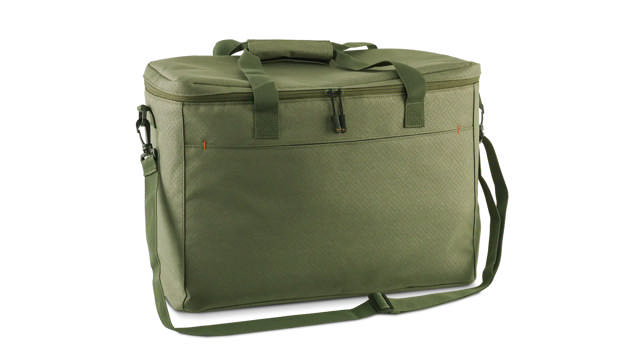
Comfort and practicality are what you notice first. The Arctic Daisy bags are built with features that support everyday use: shoulder straps for hands-free carrying, a large zip-top opening that makes packing simple, and a front zip pocket for the bits and pieces you want within reach. On the 28 L Arctic Daisy L, you also get practical handles and a detachable shoulder strap, which is helpful when the bag is heavier.
Inside, a PEVA lining makes wipe-down cleaning straightforward after a busy day, and welded seams help reduce worries about small leaks or condensation. Combined with 6 mm foam insulation, the design is user-friendly and well suited to both beginners and experienced outdoor enthusiasts who just want reliable gear and the freedom to seek the adventure.
A little care goes a long way. After each trip, empty the bag fully and wipe the lining with a mild soap solution, then rinse with a damp cloth. Because PEVA is easy to clean, you do not need specialist products. Let the bag dry with the zip open so any remaining moisture can evaporate—this helps avoid lingering odours.
If you have used ice blocks, check for condensation around corners and seams and dry those areas carefully. For storage, avoid compressing the bag under heavy items, as it can crease insulation over time. When you next pack, place the ice block on top of your food where cold air can drop down, and keep soft items like wraps and fruit away from sharp corners that might get squashed during travel.
Cool bags are ideal when you want flexibility. They are easy to lift, simple to fit into the car, and comfortable to carry to the beach, park or pitch. They also fold down when empty, which is useful when you are short on space. If your plan is mostly day trips or you like travelling light, a soft cooler is often the most convenient option.
A coolbox can be a smarter choice when you stay in one place for longer, want more structure for stacking, or need insulation that holds steady with fewer temperature swings. If that sounds like your setup, you can compare options in our range of coolboxes and choose the format that fits your routine.
A camping cool bag works best as part of a simple food system: ice blocks, leak-proof containers and a plan for serving. If you pack items in small boxes, you reduce the time the zip stays open while you search for snacks. It also helps to bring a spare carrier bag for rubbish, plus a cloth for quick clean-ups after lunch.
Once your food and drinks are chilled, you will enjoy them more if you can serve and eat comfortably. That might mean lightweight cups, plates and cutlery that do not mind being used outdoors. After you have sorted cooling, complete the setup with lightweight tableware for every meal and make each stop feel a bit more organised—whether it is a quick sandwich break or a longer picnic.
If you want a compact lunch option, start with 5 L. If you prefer a versatile day-trip size, 15 L is an easy choice. And if you often pack for family and friends, 28 L gives you room to spare while staying straightforward to carry. Pair your bag with a solid ice block, pre-chilled food and a quick packing routine, and you will get going quickly with no fuss.
Planning to turn chilled ingredients into proper campsite meals? Add the essentials from cooking gear for warm food outdoors and keep your kit consistent from breakfast to supper.
Browse the easy camp selection and choose the size that suits your next trip, or contact easy camp for friendly advice before you buy.
EasyCamp EU