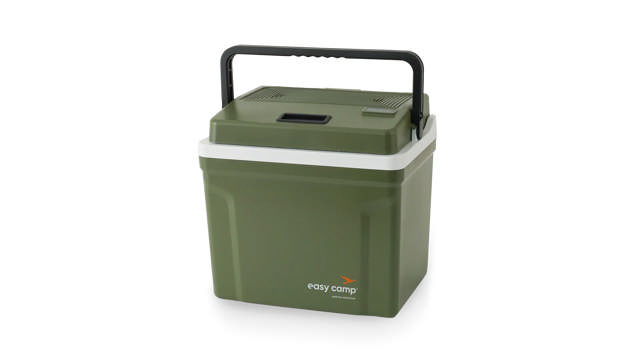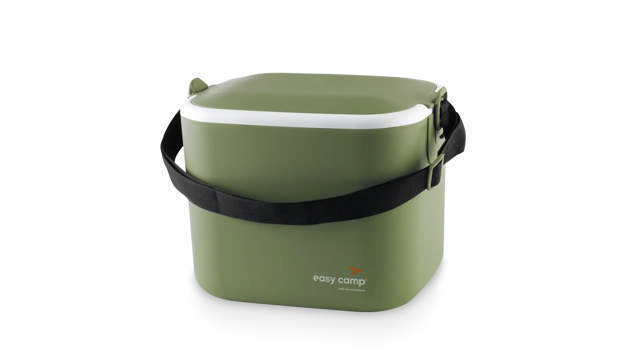
Arctic Poppy
£35.00
In stock

At easy camp, our cooling range is made to be easy to use, easy to pack, and reliable on busy family breaks and relaxed weekends away. Choose a compact size for quick picnics, or go larger when you want proper meal flexibility at camp. If you are comparing a classic camping cool box with an electric option, I will help you match capacity and performance to how you actually travel.
A good cool box changes the rhythm of your trip. You shop less often, you waste less food, and you can always offer a cold drink when the sun turns up. Start with one practical question: are you mainly keeping drinks and snacks refreshing, or are you planning breakfasts, packed lunches and chilled ingredients for several days? Your answer points you towards the right type of cool box. A passive model (used with ice or ice blocks) is a solid choice when you want simplicity and you will be away from power for long stretches. An electric model suits you if you spend time in a vehicle and like steady temperature control for the drive.
When you shop for a cool box for camping, check how you will carry it, where it will sit at the pitch, and how often it will be opened. Frequent opening warms any cooler quickly, so it helps to think about separate “everyday” items (milk, juice) versus items you only need at meal times.
Size is not only about how much you can fit, but also how quickly you can find what you want. A cool box in 14 L often feels “just right” for day trips, short overnighters, or a couple who mainly wants chilled drinks, fruit, and sandwich fillings. It is also easier to lift in and out of the car boot and to tuck under a camping table.
Choose 24 L when you want room for bulkier items like larger bottles, family-sized dairy, or a full weekend of breakfast bits. For camping with a cool box, that extra headroom also makes packing easier: ice blocks can sit on top, and you still have space for delicate items that you do not want crushed. Many people looking at cool boxes for camping find 24 L hits a comfortable balance between capacity and portability.
If you like the idea of consistent cooling while you travel, an electric cool box is a practical upgrade. With Arctic Bluebell, you can aim for a chilled interior temperature of around 15–18°C, which is handy for keeping drinks cool and snacks comfortable on warm driving days. It is also useful when you arrive late and want food to stay stable until you can organise your camp kitchen.
Arctic Bluebell can also warm up to 50°C. That is helpful for keeping prepared food warm on the road or taking the edge off a meal on cooler evenings. I recommend thinking of it as a temperature-management tool rather than a replacement for a fridge: if you need to keep very perishable foods cold, pair it with ice blocks or choose items that are safe to store at slightly higher temperatures. Used with a bit of planning, an electric model keeps the trip feeling smooth and user-friendly.
The simplest way to get strong performance from a passive cool box is to treat cooling as a system. Pre-chill what you can at home, start with frozen ice blocks (or bagged ice), and keep the lid shut as much as possible. When packed well, your cooler can keep food and drinks cool for up to 2 days with ice. Real-world time depends on outdoor temperature, how full the box is, and how often people go in for another drink.
For best results, fill empty space with extra cold mass (more ice blocks or chilled bottles of water), and put the most-used items at the top. If you are bringing a mix of food, seal anything that could leak and keep raw ingredients separated from ready-to-eat items. A camping cool box works hardest in the first few hours, so get it into shade early and avoid leaving it in a hot car during the day if you can.
Not always, and that is a good thing. Rigid cool boxes are great when you want stronger insulation, easy stacking in the boot, and better protection for food. They also suit longer stays where you are relying on ice retention rather than frequent top-ups. If you often search for cool boxes options because you camp in mixed weather, a hard-sided model can feel reassuring and straightforward.
But for lighter packing, short beach days, or when space is tight, a soft cooler can be the smarter choice. After you have decided what capacity you need, it is worth considering whether you will actually enjoy carrying the cooler to the spot where you will eat. If you want something more flexible for quick outings, take a look at our cool bags as an easy grab-and-go alternative.
A chilled drink is nice. A proper, relaxed meal is even nicer, and it takes less gear than most people think. Once you have your cool box packed, plan how you will serve and eat without creating piles of washing-up. A simple routine helps: keep snacks in one corner, meal ingredients in another, and reserve a small section for “open now” items like butter or cheese so you are not rummaging.
If you are camping with children, consider cups with good grip, bowls that stack, and plates that are easy to wipe if you are between washing stations. It also helps to bring a small cloth and a rubbish bag so the eating area stays tidy. When your food is sorted and chilled, round out the setup with durable tableware that suits outdoor life and keeps meal times calm and practical.
The easiest cooking plan is built around what your cool box can support. Think in pairs: chilled ingredients plus a quick method. Eggs become breakfast wraps, a few vegetables become a one-pan pasta, and chilled dips turn into an effortless snack spread. If you are using ice, organise meals so you use the most temperature-sensitive items first, then move towards foods that cope better later in the trip.
A small tip that saves time: group ingredients by meal in separate containers or bags before you leave home. That way you open the lid less, and you do not leave it hanging open while you search. You will also waste less because it is clear what needs using next. To build a reliable kitchen around your cooler, explore our camp cooking essentials for easy meals and put together a kit that helps you get going quickly, without fuss.
If you want cooling that matches your trip style, start with capacity (14 L or 24 L), then decide whether you prefer ice-based simplicity or the added control of Arctic Bluebell with cooling down to around 15–18°C and warming up to 50°C. Either way, you will get easy-to-use outdoor gear designed to support real camping routines.
Browse the cool box range in our shop and choose the size and features that fit how you travel. If you would like help comparing options, contact easy camp and we will guide you towards reliable gear with value for money and practical design.
"easy camp